
Weight management built for neurodivergent brains
Most weight programs run on willpower, tracking and daily decisions, which are the exact things ADHD and autism make hardest. Strength Protocol takes that load off you and builds it into your environment: food prepped and visible, strength training at a fixed time, and a daily minimum so a hard day doesn’t undo the week.
- Telehealth
- Minnesota & South Dakota
- Adults 18+
- Billed to insurance
- GLP-1 support & prescribing
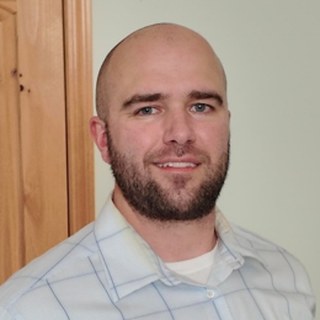
Dylan Kratochvil, MSN, NP-C
Dylan leads Strength Protocol at Optimal Brain MN, a behavior-first weight management program for adults whose ADHD, autism or related challenges have made traditional diet and exercise plans hard to stick with. He works alongside your existing therapist, psychiatric prescriber and primary care provider.
On Ozempic, Wegovy, Mounjaro or Zepbound? Get more out of it.
GLP-1 medications quiet the appetite, but they don’t build the habits that keep results going. When appetite drops, it’s easy to under-eat protein and lose muscle along with fat, and many people regain weight if they stop the medication without new routines in place. Strength Protocol pairs your medication with the strength training, protein and structure that help protect muscle and make results last.
Already on a GLP-1
Keep your current prescriber. We add strength training and protein routines to help protect muscle while you lose weight.
Considering a GLP-1
Dylan can evaluate whether an anti-obesity medication is a good fit and prescribe it when appropriate, coordinated with your primary care provider.
Plateaued or coming off
Build routines that hold up when the medication’s effect levels off, or when you and your prescriber decide to taper or stop.
Your environment carries the load, not your willpower
| Willpower-based programs | Strength Protocol | |
|---|---|---|
| Daily decisions | Made fresh every day | Decided in advance and built into your environment |
| Tracking | Heavy tracking at full intensity | Your environment carries the load first |
| Hard days | All or nothing | A daily minimum, so partial effort never turns into quitting |
| When it breaks | Blamed on willpower | Treated as a design problem: find where the setup failed and fix it |
Is Strength Protocol right for you?
Adults with obesity
BMI 30+, or 25+ with a related condition such as high blood pressure, prediabetes or high cholesterol.
ADHD, autism or both
A diagnosis is welcome but not required.
Binge eating, depression or anxiety
When they overlap with trouble starting and sticking with routines.
PTSD
When concentration, planning or follow-through problems get in the way of weight loss and health routines. We help with those routines; PTSD treatment stays with your mental health provider.
People on GLP-1 or other weight-loss medications
Build the habits that protect muscle and keep results going.
After bariatric surgery
Once you’ve finished the post-surgery diet stages and been cleared by your surgical team.
Works alongside your care team, not instead of it
Strength Protocol is behavior-first and works alongside medication and therapy. Your therapist and psychiatric prescriber keep therapy, diagnosis and psychiatric or ADHD medications.
When it helps, Dylan can prescribe non-psychiatric medications, such as adjusting blood pressure or diabetes medicines as weight comes off, or starting an anti-obesity medication. Any labs or medication changes are coordinated with your referring or primary care provider, who also gets progress updates at visits 4, 8 and 13.
| Part of your care | Who handles it |
|---|---|
| Diagnosis and therapy | Your therapist or referring clinician |
| ADHD and psychiatric medications | Your psychiatric prescriber |
| GLP-1 and other weight-loss medications | Your current prescriber, or Dylan when appropriate |
| Labs and medication changes as weight comes off | Dylan, coordinated with your referring or primary care provider |
| Post-surgery care | Your bariatric team |
| Routines, environment, strength training, protein | Strength Protocol |
Six months, three phases
13 one-on-one telehealth visits, every two weeks, over about six months. You can continue after visit 13 based on your results.
Stabilization
Morning strength training, high-protein breakfast timing and structured engagement.
Rebuilding
Sleep routines, motivation and reward, environment design and core habits.
Integration
Accountability, burnout prevention, lapse planning and your long-term plan.
Billed to your insurance
Strength Protocol is billed to insurance through Optimal Brain MN’s in-network plans. Our scheduling team checks your coverage before your first visit.
Ready to begin?
Patients
Ask your primary care, psychiatric or bariatric provider to refer you, then call or text 651-472-5915 or book online.
Schedule AppointmentReferring clinicians
Download our fillable referral form, then fax it to Optimal Brain MN Clinic at 651-342-8443. Please don’t email completed forms. Questions? Call 651-472-5915.
Download the referral formLearn more
Read more about the program, its approach and what to expect on the Strength Protocol website.
Visit strength-protocol.comIf you are experiencing a medical or mental health emergency, call 911 or go to your nearest emergency room.